Follow The Mixing Sequence
See the correct order for adding activator and organoclay.
Technical How-To Page
Proper dispersion of organoclay in oil-based and synthetic-based drilling fluid depends on the addition sequence, shear energy, and mixing time. This page walks through the mixing procedure step by step, from base-fluid preparation to checking for complete dispersion, so buyers and formulators can rule out mixing issues before adjusting dosage.

Quick Technical Answer
This page helps buyers and formulators quickly:
See the correct order for adding activator and organoclay.
See why shear energy and mixing time affect dispersion quality.
Learn what to look for before taking rheology readings.
Review the checks to run before increasing dosage.
Definition And Entity Relationship
Dispersion is the physical process of separating and wetting organoclay platelets throughout the oil phase of a drilling fluid so they can swell and build the intended gel structure. Dispersion is distinct from activation: activation is the chemical step of adding a polar activator so the clay can develop structure, while dispersion is the mechanical step of getting the clay evenly distributed and wetted under shear.
Even a correctly activated organoclay will underperform if it is not adequately dispersed, which is why mixing sequence and shear energy are treated as their own procedure separate from grade selection or dosage.
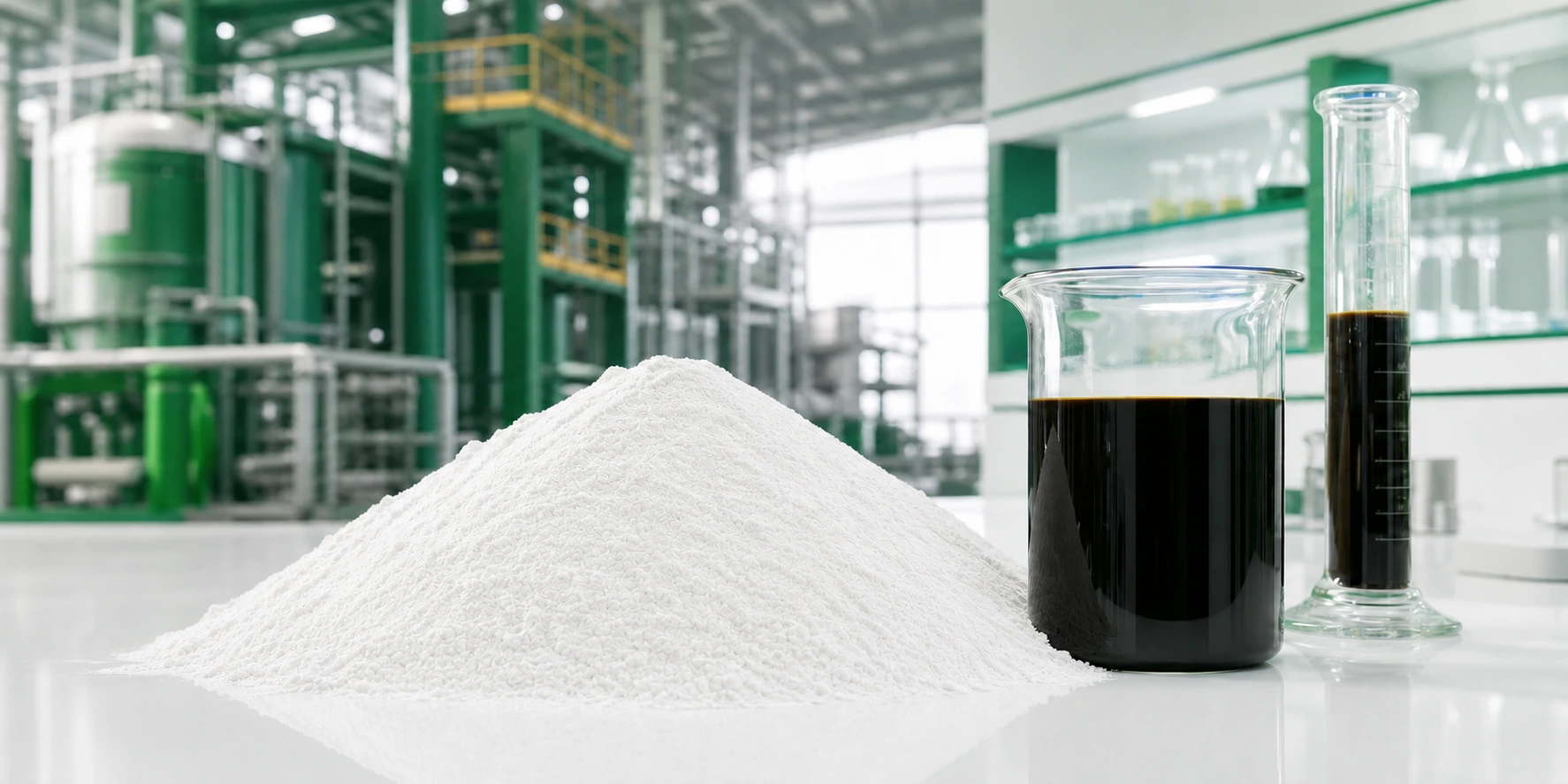
Step-By-Step Procedure
Follow these steps in order. Final activator quantity and mixing parameters should always be confirmed against the current TDS for the selected grade.
Confirm the base oil or synthetic fluid is at the intended volume and temperature, and that mixing equipment can deliver adequate shear before adding any product.
Add the polar activator, such as methanol or a controlled amount of water, in the sequence and quantity indicated by the current TDS for the selected grade.
Add the organoclay gradually into the fluid while shear is running, rather than dumping it in all at once, to reduce clumping and support even wetting.
Continue mixing for the time and shear intensity needed for the grade and batch volume, since insufficient shear is a common cause of incomplete dispersion.
Inspect for visible lumps or ungelled particles and take initial rheology readings to confirm the organoclay has developed structure as expected.
If lumps remain or readings are lower than expected, extend mixing time or increase shear before adjusting dosage, since under-mixing is often mistaken for under-dosing.
How It Works
These factors determine whether the organoclay disperses fully during mixing.
Adding activator and organoclay in the correct order supports even wetting.
Adequate shear during mixing helps separate and swell the clay platelets.
Sufficient mixing time allows structure to develop fully before testing.
Larger batches can need proportionally more mixing time and shear.
Troubleshooting
Use this table to connect a dispersion problem with the likely cause and the practical check to run before changing dosage.
| Dispersion problem | Likely cause | Buyer check before changing dosage |
|---|---|---|
| Visible lumps or ungelled particles | Insufficient shear or too-fast addition rate | Extend mixing time and add organoclay more gradually under shear |
| Low viscosity or gel strength after mixing | Incomplete dispersion, not necessarily under-dosing | Check mixing time and shear before adding more product |
| Inconsistent results between batches | Variable addition sequence or shear across batches | Standardize the mixing procedure and equipment settings |
| Slow structure build during mixing | Grade not matched to base oil, or activator sequence issue | Confirm grade fit and activator sequence against the current TDS |
Related Guides
Related Product Selection Path
Only approved OD-series grade paths are shown. Final selection should be confirmed with current TDS, sample testing, and technical review.
Faster wetting and dispersion path for time-sensitive mixing.
View Product General organophilic clay drilling-grade category for OBM and SBM.
View Product Primary oil-based mud viscosity-control path for OBM buyers.
View Product Compare approved OD-series grade paths before testing a formulation.
Compare Grades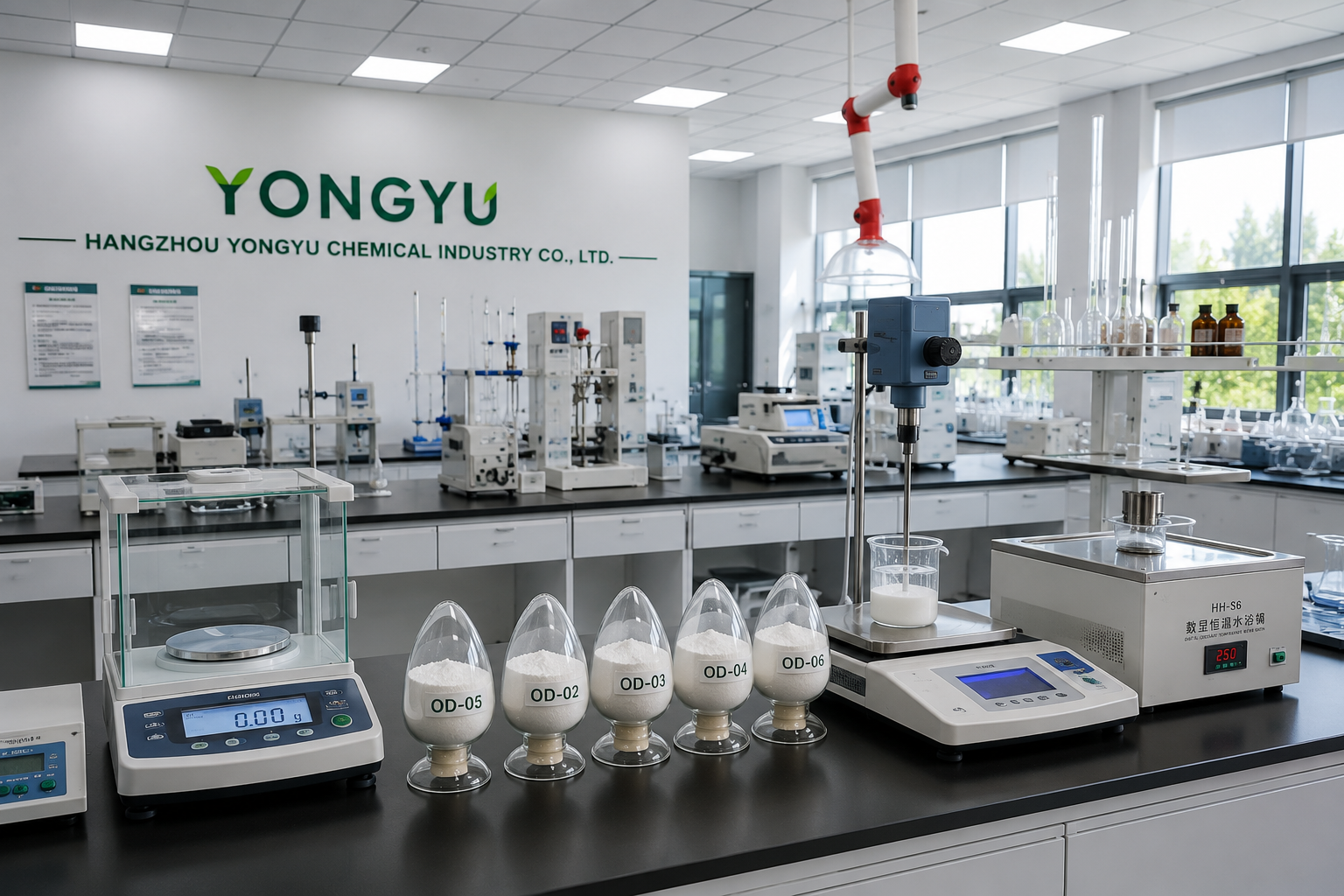
Manufacturer Direct Supply
HANGZHOU YONGYU CHEMICAL INDUSTRY CO., LTD. is presented in the approved project brief as a manufacturer established in 2005, with annual capacity of 25,000 tons per year. The team supports grade selection, export communication, document requests, sample evaluation, and quotation discussion for international oilfield chemical buyers.
Approved procurement facts include 25 kgs/bag packaging, MOQ of 1,000 kgs, and lead time of 7-10 working days after receiving deposit.
TDS, SDS, COA, Or Sample Support
Use these document paths to support mixing procedure review, safety review, procurement approval, and sample testing.
Review current mixing and activation information before dispersion testing.
Download / Request SDS / MSDSSupport safety, handling, compliance, and procurement document review before ordering.
Download / Request COAAsk for COA support where available when sample or batch-level quality review is required.
Download / Request Sample RequestShare your mixing equipment and fluid system for evaluation guidance.
Request SampleBuyer Questions
The dispersion procedure covers preparing the base fluid, adding the polar activator in the correct sequence, adding the organoclay under shear, maintaining adequate mixing time and shear energy, and checking for complete dispersion before taking rheology readings.
Adding the polar activator before or in coordination with the organoclay, as indicated by the current TDS, supports even wetting and structure development. An incorrect sequence can lead to clumping or incomplete activation, even if the total dosage is correct.
Shear requirements vary by grade, batch volume, and mixing equipment, so they should be confirmed against the current TDS rather than assumed. As a general principle, adding organoclay gradually under running shear and maintaining adequate mixing time supports more complete dispersion than a short, low-shear mix.
Incomplete dispersion can appear as visible lumps or ungelled particles in the fluid, and typically shows up as lower-than-expected viscosity, yield point, or gel strength readings. If readings are low, check mixing time and shear before increasing dosage.
Easy-dispersing grades are designed to reduce mixing time and shear requirements, but the same general sequence still applies. Confirm the specific activation and mixing requirements for an easy-dispersing grade against its current TDS.
Confirm the grade matches your base oil and temperature, check the activator quantity and sequence against the current TDS, and verify equipment shear capability. If the issue continues, share your mixing procedure and readings with the technical team for review.
Final Technical Notes
Send your fluid system, base oil, mixing equipment, batch volume, and any dispersion issues you are seeing. The technical team can review your procedure or recommend an easy-dispersing grade path.