See the Basic Process
Understand the full workflow from grade selection to final confirmation.
Technical How-To Page
Using organoclay in oil-based and synthetic-based drilling fluid means matching the right OD-series grade to your fluid system, activating it correctly, dispersing it under adequate shear, and confirming performance with rheology testing. This page walks through the full workflow; for property-specific detail, see the viscosity or suspension how-to guides.

Quick Technical Answer
This page helps buyers and formulators quickly:
Understand the full workflow from grade selection to final confirmation.
Move from fluid-system confirmation through mixing and testing in order.
Check the most common use mistakes before troubleshooting dosage.
Move to the viscosity or suspension how-to guides for property-specific detail.
Definition And Entity Relationship
Using organoclay means introducing an organically modified clay into an oil-based or synthetic-based drilling fluid so it disperses and builds the viscosity, gel strength, and suspension structure the fluid design needs. Unlike a purely chemical additive, organoclay's performance depends heavily on physical handling: grade fit, activation, and mixing energy all determine whether the intended structure actually develops.
This page covers the general workflow. For a deeper look at the material itself, see the organoclay definition page; for the mixing mechanics specifically, see the dispersion procedure.
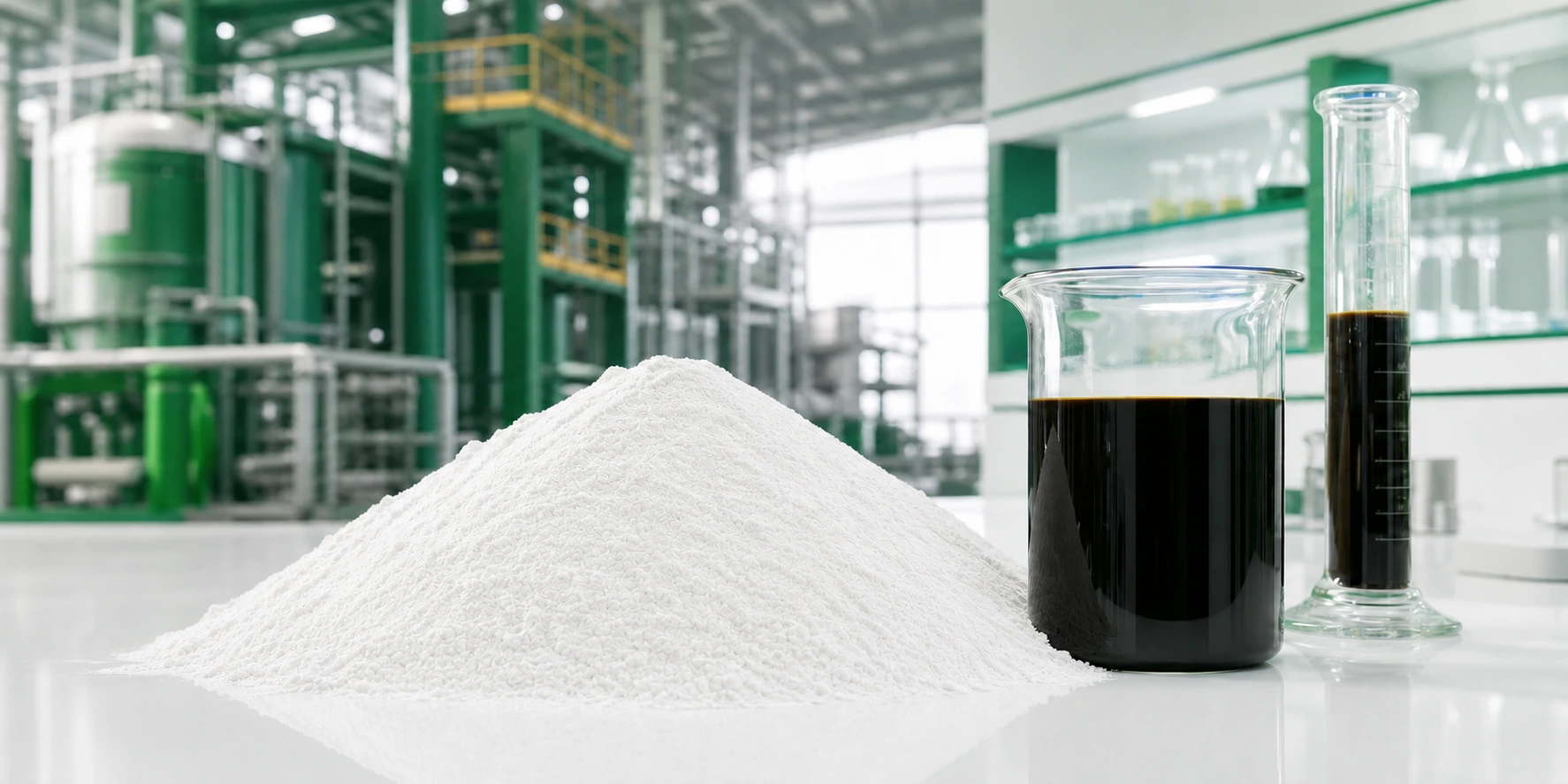
Step-By-Step Procedure
Follow these steps in order. Final loading and mixing parameters should always be confirmed against the current TDS for the selected grade.
Record the base oil or synthetic fluid, mud weight, temperature window, and target viscosity, suspension, or gel strength before selecting a grade.
Match an approved OD-series grade to your fluid system and application, using the grade selection guide if you are unsure which path fits.
Confirm the polar activator, addition sequence, and shear energy needed so the organoclay develops structure fully during mixing.
Add the organoclay at the loading indicated by the current TDS and disperse under adequate shear. See the dedicated dispersion procedure for a step-by-step mixing sequence.
Measure plastic viscosity, yield point, and gel strength on a viscometer to confirm the fluid is responding as expected.
Compare readings against your target window, adjust loading or mixing energy if needed, retest, and confirm the final formulation with the current TDS before field use.
How It Works
These factors determine whether the organoclay develops the structure your fluid design needs.
Choosing the OD-series grade that fits the base oil and application gives predictable results.
Correct polar activator and addition sequence lets the organoclay disperse and build structure fully.
Loading within the current TDS range keeps performance in the intended working window.
Sufficient shear during mixing supports even dispersion and consistent readings.
Common Problems And Checks
| Common mistake | Effect | What to check |
|---|---|---|
| Adding organoclay without a polar activator | Incomplete structure development, weak viscosity or suspension response | Confirm the activation route for the grade against the current TDS |
| Using a grade not matched to the base oil or temperature | Poor dispersion or performance loss at temperature | Review the grade selection guide before mixing |
| Skipping initial rheology checks | No baseline to compare against if performance drifts later | Run plastic viscosity, yield point, and gel strength readings after mixing |
| Treating all OD-series grades as interchangeable | Unexpected results when substituting a grade | Confirm grade-specific loading and activation with the current TDS |
Go Deeper
Once the basic workflow is clear, move to the guide that matches your specific need.
Related Product Selection Path
Only approved OD-series grade paths are shown. Final selection should be confirmed with current TDS, sample testing, and technical review.
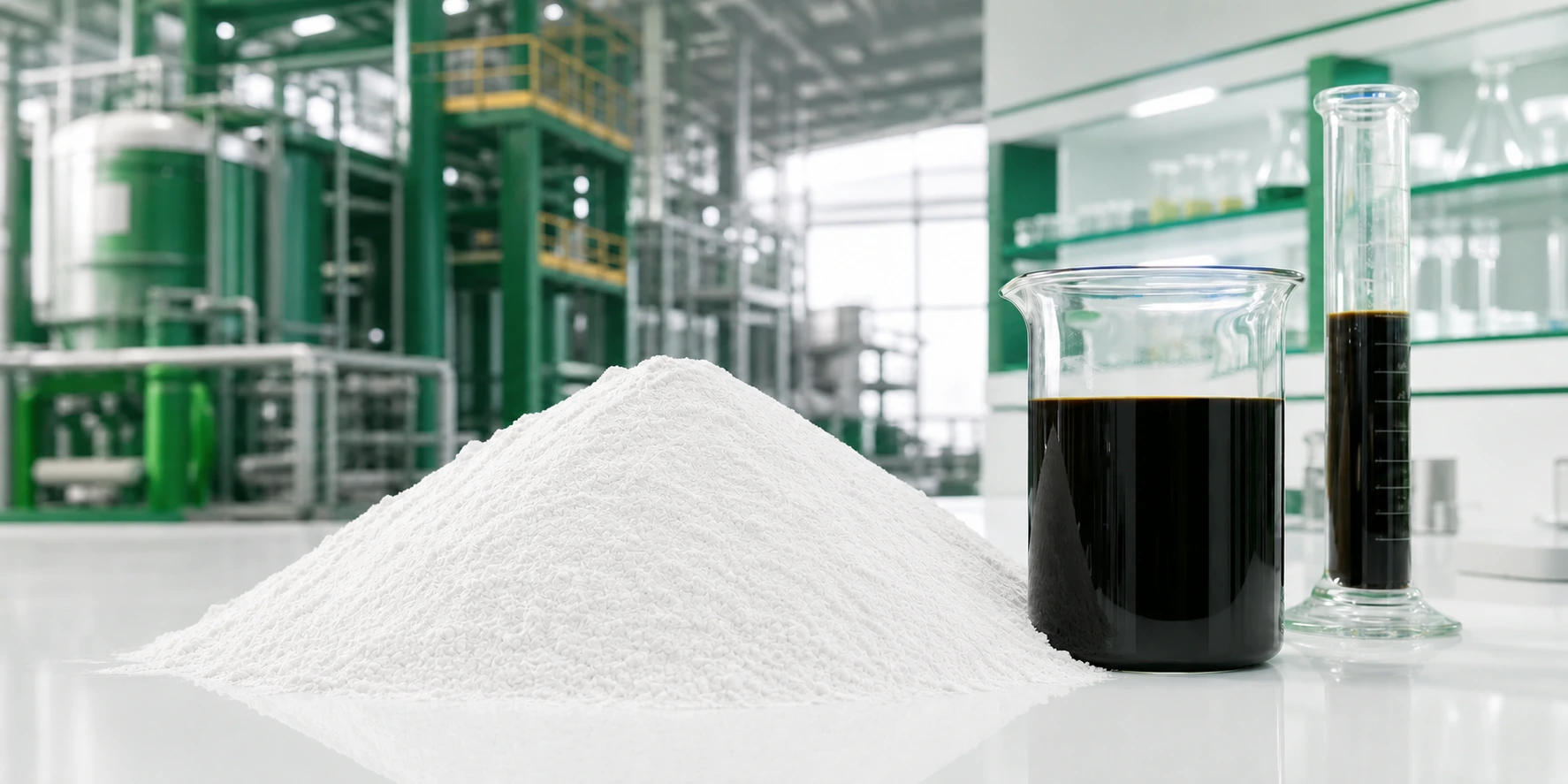
General organophilic clay drilling-grade category for OBM and SBM.
View Product Primary oil-based mud viscosity-control path for OBM buyers.
View Product Faster wetting and dispersion path for time-sensitive mixing.
View Product Compare approved OD-series grade paths before testing a formulation.
Compare Grades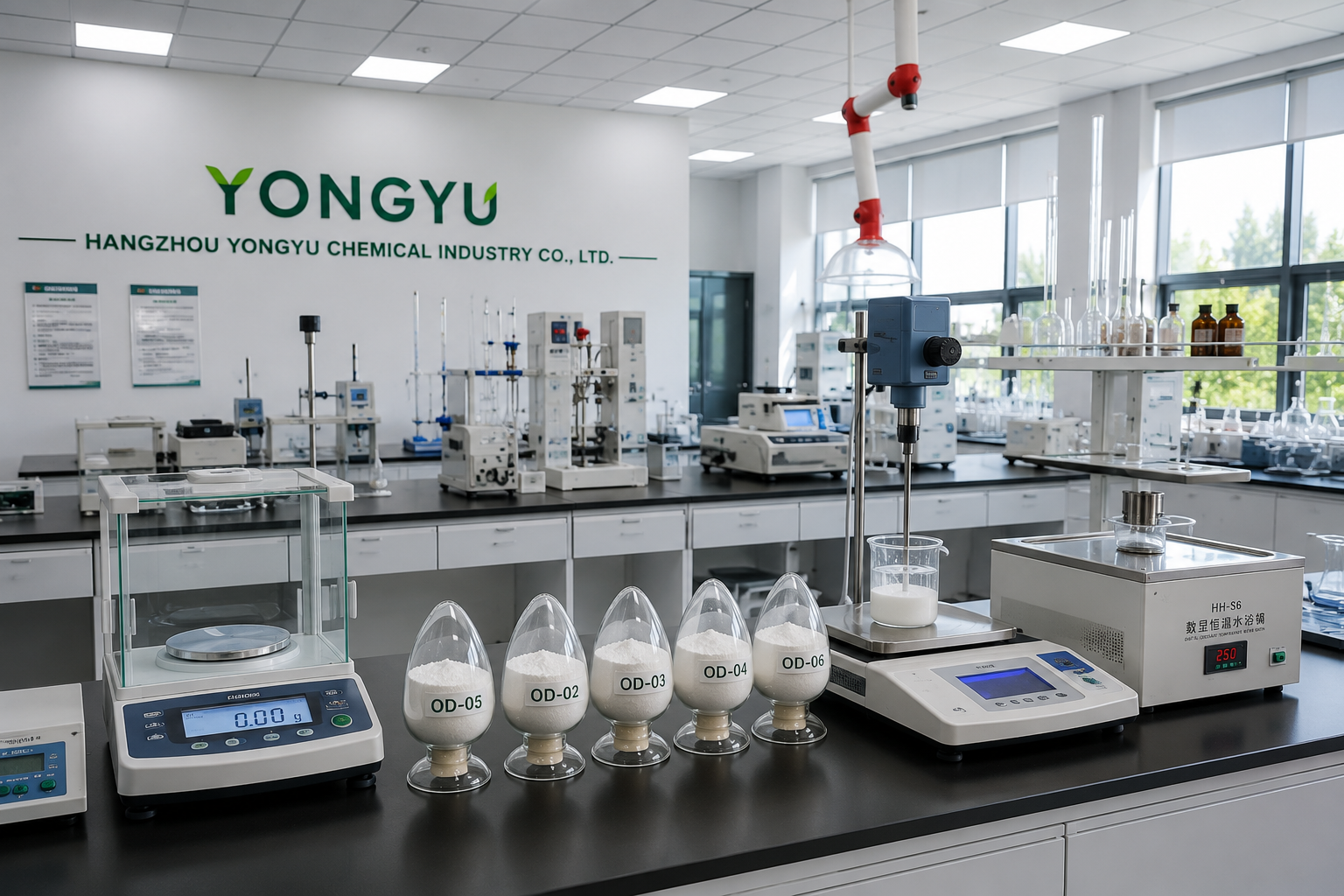
Manufacturer Direct Supply
HANGZHOU YONGYU CHEMICAL INDUSTRY CO., LTD. is presented in the approved project brief as a manufacturer established in 2005, with annual capacity of 25,000 tons per year. The team supports grade selection, export communication, document requests, sample evaluation, and quotation discussion for international oilfield chemical buyers.
Approved procurement facts include 25 kgs/bag packaging, MOQ of 1,000 kgs, and lead time of 7-10 working days after receiving deposit.
TDS, SDS, COA, Or Sample Support
Use these document paths to support formulation review, safety review, procurement approval, and sample testing.
Review current technical information before formulation, testing, or supplier comparison.
Download / Request SDS / MSDSSupport safety, handling, compliance, and procurement document review before ordering.
Download / Request COAAsk for COA support where available when sample or batch-level quality review is required.
Download / Request Sample RequestShare your fluid system and target performance for evaluation guidance.
Request SampleBuyer Questions
The basic process is: confirm your fluid system and target performance, select a matching OD-series grade, prepare the activation and mixing plan, disperse the organoclay under adequate shear, run rheology checks, and confirm the final formulation against the current TDS before field use.
Most organoclay grades need a polar activator, such as methanol or a controlled amount of water, to fully develop structure in the oil phase. Some easy-dispersing grades reduce or simplify this step. Confirm the activation route for your selected grade against the current TDS.
Dosage depends on the grade, base oil, and target rheology profile, so it should be confirmed against the current TDS rather than assumed. Start with the indicated loading, disperse fully, measure results, and adjust based on your own mix test rather than a fixed rule of thumb.
Organoclay is designed for oil-continuous systems: oil-based mud, synthetic-based mud, and invert emulsion fluids. It is not effective in water-based mud, which uses regular, untreated bentonite instead.
Review the grade fit against your base oil and temperature, the activation sequence, and the mixing energy and time before changing dosage. See the troubleshooting checks on this page, or share your fluid details and readings with the technical team.
Request the current TDS for technical and formulation review, the SDS/MSDS for safety and handling, and a COA where available for batch-level quality confirmation. Include your fluid system, base oil, and target performance so the team can route the correct document and grade recommendation.
Final Technical Notes
Send your fluid system, base oil, mud weight, temperature condition, target performance, quantity, and document requirements. The technical team can route you to the right OD-series grade path, TDS, sample, or quotation.